Inner self healing is the intentional process of addressing emotional wounds, past experiences, and internal conflicts to restore psychological balance and mental clarity. It’s a proactive journey toward greater self-awareness, resilience, and personal growth, focusing on internal resources rather than external validation.
- Mindfulness & Meditation: These practices train your attention to reduce stress and interrupt negative thought patterns, which fosters a state of calm and improves your emotional regulation over time.
- Somatic & Nature-Based Practices: Engaging in activities like yoga or spending time outdoors helps release stored physical tension from stress and effectively regulates your body's nervous system.
- Reflective Journaling: Writing down your thoughts and feelings provides a private space to process complex emotions, identify recurring behavioral triggers, and gain valuable self-insight.
- Leveraging Self-Guided Resources: Structured digital programs and evidence-based content provide accessible tools for building coping skills and navigating your mental health journey independently and proactively.
Who should use this: Individuals seeking to proactively manage stress, overcome past challenges, and build emotional resilience to improve their overall mental well-being and prevent burnout.
Introduction
Let's be honest. The conversation around mental health has changed dramatically. We've moved past the era of hushed tones and into a time of open dialogue. But with this new openness comes a new challenge: overwhelm. Information is everywhere, but clarity is scarce. It's easy to feel lost in a sea of advice, unsure of which direction to turn for your own mental well-being. The reality is, navigating this landscape requires more than just awareness; it demands a map. Introduction Let's
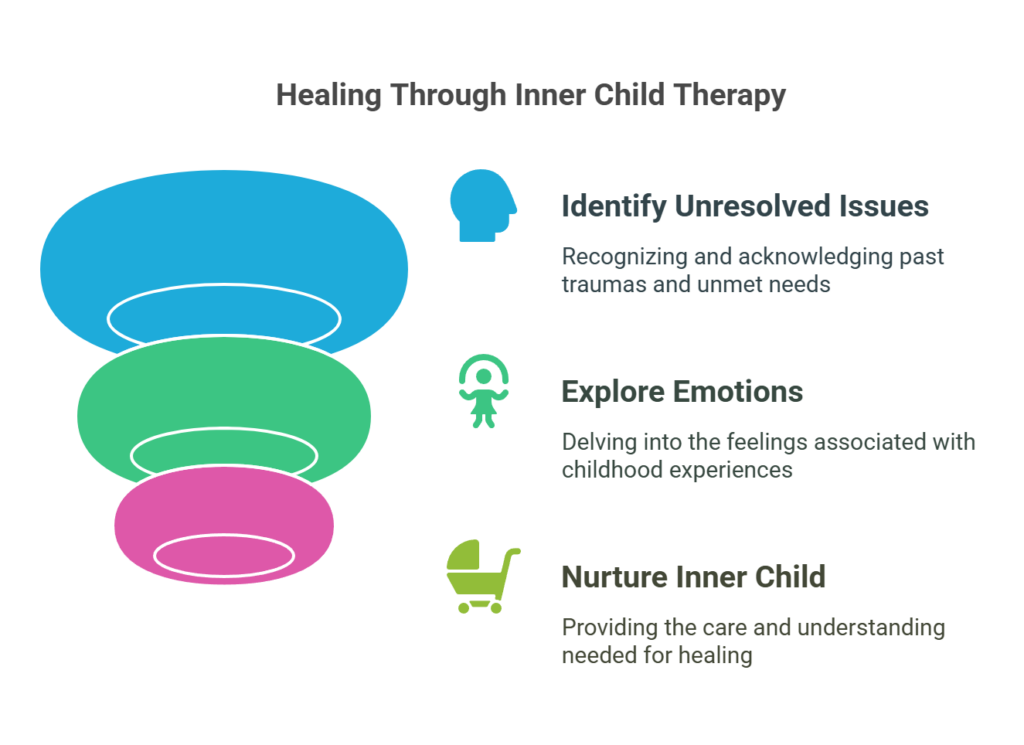
This is where the concept of inner healing comes into play. So, what is inner self healing? It’s not about a quick fix or a magic solution. It's a deep, personal commitment to understanding your internal world—your thoughts, emotions, and past experiences. Think of it as a journey of self-discovery, one that empowers you to address the root causes of distress rather than just managing the symptoms. This process is the foundation for building genuine, lasting emotional resilience. 🧠
The Critical Shift to Proactive Mental Health
For too long, the default approach to mental health has been reactive. We wait for a crisis—burnout, severe anxiety, or deep depression—before seeking help. But what if we could get ahead of the storm? The future of mental wellness lies in proactive mental health. This means actively engaging in practices and using tools that build strength and stability before problems escalate. It’s about treating our mental state with the same importance as our physical fitness.
This model of preventative care is gaining significant traction. Research consistently shows that early intervention and prevention strategies can significantly reduce the severity and duration of mental health conditions. By focusing on proactive care, you're not just avoiding a crisis; you're investing in a higher quality of life. You’re building a psychological immune system that can better withstand life’s inevitable challenges. It’s a fundamental change in mindset from "fixing what's broken" to "nurturing what's strong."
Navigating Your Journey with Expert Guidance
Embarking on this journey alone can feel daunting. That’s why expert perspectives are so crucial. As clinical psychologist Dr. Ananya Mehta often explains, "Building emotional resilience isn't about never falling; it’s about learning how to get back up with greater wisdom and strength each time. This skill is built, not born." Her work emphasizes that guidance and structure are key components for anyone serious about personal growth and healing.
Here’s the thing—finding the right guidance is a challenge in itself. How do you find trustworthy, evidence-based content in a world full of noise? This is precisely the problem that modern solutions aim to solve. Platforms are emerging to help with navigating your mental health by providing curated pathways and resources. For instance, the TherapyPilot Platform offers Personalized Guidance tailored to your specific needs, whether you're seeking Anxiety Support, Depression Resources, or tools for Stress Management.
These tools don't replace therapy, but they act as powerful allies. They provide a structured framework and access to Evidence-Based Resources right at your fingertips. By combining technology with psychological principles, they make proactive mental healthcare more accessible. Whether it's through guided exercises, educational modules, or connections to Expert Support, these platforms empower you to take control of your mental wellness journey. They support not just recovery, but ongoing Personal Growth Support. 🧭
The Broader Impact: From Personal Well-being to Corporate Wellness
This proactive approach doesn't just benefit individuals. It has a profound impact on our collective environments, especially in the workplace. Healthy, resilient individuals create healthier, more productive teams. The focus on corporate wellness is no longer a perk; it's a strategic necessity. A WHO report estimates that depression and anxiety cost the global economy US$ 1 trillion each year in lost productivity. That's a staggering figure.
Companies are realizing that investing in their employees' mental well-being is an investment in the organization's success. By providing resources for proactive mental health, they foster a culture of support and reduce burnout. This creates a positive feedback loop. Employees feel valued and equipped to handle stress, leading to higher engagement, innovation, and retention. The bottom line is clear: a focus on individual healing and resilience scales up to create healthier organizations and communities.
In the following sections, we’ll dive deeper into the practical strategies and tools you can use to embark on your own journey of inner healing. We'll explore actionable techniques for building emotional resilience, understanding your triggers, and cultivating a life rooted in authentic mental well-being. You have the capacity to change your inner world. Let's explore how.
Key Benefits of Investing in Mental Wellness
What if the path to a thriving organization wasn't just about strategy and operations, but about the well-being of its people? The reality is, the benefits of inner healing extend far beyond the individual. They create a powerful ripple effect, enhancing personal lives and driving professional success simultaneously. It’s not an expense; it’s a strategic investment in your most valuable asset. Key Benefits
So, let's break down the tangible returns you can expect. These benefits fall into two main categories: profound improvements for the individual and significant, measurable gains for the organization. The connection between the two is undeniable. When your team members flourish, your entire company reaps the rewards. 📈
Enhanced Personal Well-being and Resilience
Look, it all starts with the individual. When a person feels supported, they gain tools to navigate life's complexities. One of the most immediate results is improved mental clarity. The mental fog lifts. This clarity allows for better decision-making, sharper focus, and a greater capacity for creative problem-solving. It's about moving from a reactive state to a proactive one.
This journey also strengthens emotional regulation. Instead of being overwhelmed by stress or anxiety, individuals learn to manage their responses effectively. Many find success using proven techniques from frameworks like Cognitive Behavioral Therapy (CBT). Platforms like TherapyPilot support this by offering Personalized Guidance and Evidence-Based Resources that help users build these crucial skills for managing anxiety, depression, and stress. The bottom line? People become more resilient.
And here's the thing—this personal work inevitably leads to stronger interpersonal relationships. Better self-awareness and emotional control improve communication and empathy, both at home and in the workplace. It fosters a more positive and collaborative environment for everyone.
Tangible Organizational and Professional Gains
Now, let's connect personal well-being to business outcomes. A workforce with strong mental health directly impacts productivity. Studies show that for every $1 invested in scaled-up treatment for common mental disorders, there is a return of $4 in improved health and productivity. It's a clear-cut ROI.
Furthermore, providing robust mental health support is a powerful antidote to a pervasive modern problem: reduced employee burnout. When employees have access to tools and Expert Support, they feel valued and are better equipped to handle pressure. This proactive approach significantly lowers the risk of burnout, which in turn boosts morale and engagement. It's a critical factor for long-term retention.
Many companies rely on traditional Employee Assistance Programs (EAPs), but the landscape is changing. How do they stack up against modern, personalized platforms?
A Measurable Impact on Well-being and Performance
Ultimately, the goal is to create a measurable impact on well-being. Modern solutions provide the tools to see this impact clearly. Through anonymized data, organizations can track improvements in stress levels, engagement, and overall sentiment. This isn't just about feeling good; it's about building a healthier, more resilient, and more effective organization from the ground up.
This data-driven approach transforms mental wellness from a vague concept into a tangible business metric. It demonstrates a clear link between employee support and key performance indicators like reduced absenteeism and higher retention rates. Investing in your team's mental health isn't just the right thing to do—it's one of the smartest business decisions you can make. 🧠
How It Works
So, how does one move from feeling overwhelmed to feeling empowered? The reality is, it's not about finding a magic fix. It’s about engaging in a structured, evidence-based process that fosters genuine change. The journey to mental wellness is deeply personal, yet it’s grounded in well-established science. Understanding this framework is the first step toward taking control. How Works So,

The core idea is simple: you can reshape your thoughts and behaviors. It’s a dynamic process of unlearning old patterns and building new, healthier ones. Let’s break down the psychological principles behind healing and the practical steps you can take to navigate your path forward effectively. This is where the real work—and the real transformation—begins. 🧠
The Foundation: Psychological Principles Behind Healing
At the heart of personal growth lies the science of psychology. Modern approaches are built on a powerful concept: neuroplasticity. This is your brain's incredible ability to reorganize itself by forming new connections. Essentially, you can teach an old brain new tricks. Every time you challenge a negative thought or practice a new coping skill, you're actively participating in building new neural pathways. This makes healthier responses more automatic over time.
But wait, it’s not just in your head. The mind-body connection is a critical piece of the puzzle. Chronic stress, for instance, doesn't just affect your mood; it can impact your physical health. The American Psychological Association highlights how stress affects all systems of the body. Recognizing this link is fundamental to the process of healing. Platforms like the TherapyPilot Platform utilize these principles, offering Evidence-Based Resources that address both mental and physiological well-being.
Your Personalized Journey to Wellness
So where do you start? The first step is always clarity. True progress begins with self-awareness and understanding your inner self. What are your specific triggers? What are the underlying beliefs driving your anxiety or stress? A guided self-assessment can provide a crucial baseline, helping you identify the areas that need the most attention. It’s about looking inward with curiosity, not judgment.
Once you have that clarity, you can build a roadmap. This is where Personalized Guidance becomes invaluable. Instead of generic advice, you get a tailored plan focused on your unique goals. A key part of this plan often involves overcoming limiting beliefs—those persistent, negative thoughts that hold you back. The goal is to systematically dismantle them and replace them with empowering truths. This isn't a one-size-fits-all process. It’s your journey.
With a plan in place, you engage with targeted tools. Are you struggling with anxiety? You'd focus on specialized Anxiety Support techniques. Dealing with low moods? You'd leverage curated Depression Resources. The key is consistent action. Using tools for Stress Management or Personal Growth Support isn't a one-time event; it's about building a toolkit of skills you can rely on for life. ✨
Cultivating Lasting Change and Emotional Intelligence
Look, lasting change doesn't happen overnight. It’s the result of consistent practice that reinforces those new neural pathways we talked about. Each time you apply a new skill, you make that healthy pathway stronger and the old, unhelpful one weaker. Think of it like building muscle at the gym. Consistency is everything.
The bottom line is that this journey significantly enhances your emotional intelligence. You become better at recognizing, understanding, and managing your own emotions—and those of others. This heightened awareness allows you to navigate relationships and challenges with greater resilience and wisdom. It’s one of the most powerful outcomes of committing to your mental wellness.
Ultimately, you're not just managing symptoms; you're building a more resilient, self-aware version of yourself. And you don't have to do it alone. Access to Expert Support can provide the guidance and accountability needed to stay on track, ensuring your journey is both effective and sustainable. It’s about having a pilot to help you navigate the complexities of your inner world.
Foundational Practices: How Meditation and Yoga Aid in Inner Healing
In the relentless pace of modern life, it's easy to feel disconnected from ourselves. We often treat our minds and bodies as separate entities—the mind races with worry while the body carries the unspoken tension. But what if the path to inner healing wasn't about finding a new cure, but about returning to ancient practices that reunite mind and body? The truth is, meditation and yoga aren't just wellness trends; they are powerful, evidence-based tools for profound change. 🧘
These practices offer a way to move from reacting to responding. They help you create space between a trigger and your reaction. It's in that space that true healing and personal growth begin. Let's explore exactly how these foundational practices work.
The Power of Stillness: How Meditation Rewires Your Brain
So, how does sitting still actually help? The answer lies in your brain. Consistent meditation practice can physically change your brain's structure. Research shows it can decrease grey matter density in the amygdala, the brain's fear center. At the same time, it strengthens the prefrontal cortex, which governs emotional regulation and rational thinking. Simply put, you're training your brain to be less reactive and more thoughtful.
This is the core of how meditation aids in inner healing. It’s not about emptying your mind; it's about observing your thoughts without judgment. This practice of mindfulness is a game-changer for stress reduction. For those just starting, a guided meditation for beginners can be an invaluable tool. It provides structure and focus when your mind feels chaotic. Platforms offering Evidence-Based Resources, like the TherapyPilot platform, often include guided sessions tailored for specific needs, such as their Anxiety Support and Depression Resources.
Mindful Movement: Yoga for Emotional Release
Yoga is far more than a physical workout. It’s a form of mindful movement that directly engages with your body's stored experiences. Have you ever felt a knot in your stomach when you're anxious or tightness in your shoulders when you're stressed? That's a somatic experience—an emotion manifesting as a physical sensation. Your body literally holds onto your emotional history.
This is where yoga for emotional release comes in. Poses like hip-openers, forward folds, and gentle twists encourage the body to let go of deeply held tension. By syncing breath with movement, you're actively engaging in calming the nervous system. You signal to your body that it's safe to relax its guard. It's a powerful, non-verbal way to process feelings that words can't always reach. It’s a dialogue with your own body. ✨
Building a Sustainable Practice for Lasting Change
The key to unlocking these benefits isn't intensity—it's consistency. You don’t need an hour every day. Even five to ten minutes of focused meditation or gentle yoga can make a significant difference over time. The goal is to build a sustainable habit that becomes a reliable anchor in your life. It's about creating a ritual of self-care.
But where do you start? Look, beginning a new practice can feel overwhelming. This is where modern tools can support ancient wisdom. The TherapyPilot Platform, for example, provides Personalized Guidance to help you integrate these practices into your unique lifestyle. With curated tools for Stress Management and Personal Growth Support, it helps you build a routine that sticks, ensuring you have a clear path forward.
Ultimately, meditation and yoga are practices of self-compassion. They teach you to listen to your body and honor your mind. While these tools are incredibly powerful on their own, sometimes you need more. If you're navigating complex trauma or persistent mental health challenges, combining these practices with Expert Support can accelerate your healing journey and provide the safe, professional container needed for deep transformation.
Expanding Your Toolkit: The Impact of Nature and Journaling on Inner Healing
Traditional therapy and medication are cornerstones of mental healthcare. But what happens when you need something more? Something accessible, personal, and empowering for the day-to-day journey? The reality is, a comprehensive approach to mental wellness often involves expanding your personal toolkit. Two of the most powerful, evidence-backed practices you can adopt are engaging with nature and reflective journaling. They aren't just hobbies; they are profound tools for inner healing.
Let's be honest, managing anxiety, stress, or depression can feel like a full-time job. You need strategies that work for you, right now. So, how can a walk in the park or a few minutes with a notebook actually make a difference? Let's explore the science and practical application behind these transformative habits.
The Healing Power of the Outdoors 🌳
Have you ever noticed how a simple walk outside can clear your head? That feeling isn't just in your imagination. It's rooted in a concept called the biophilia hypothesis, which suggests humans have an innate tendency to seek connections with nature. This connection has tangible benefits. Spending just 20 minutes in a place that makes you feel in touch with nature can significantly lower stress hormone levels.
This practice, often called nature therapy or ecotherapy, is a powerful way of connecting with the natural world to improve your mental state. It's not about strenuous hiking or epic adventures—unless that's your thing. It can be as simple as sitting in a local park, tending to a houseplant, or listening to birds outside your window. The key is mindful engagement. Pay attention to the sights, sounds, and smells around you. This simple act grounds you in the present moment, offering a powerful antidote to anxious thoughts about the future or ruminations on the past.
Platforms like TherapyPilot integrate this understanding into their approach by offering Stress Management tools and Evidence-Based Resources that help you build a routine around these grounding practices. The goal is to make the impact of nature on inner healing a consistent part of your life.
The Inner World: Journaling for Clarity ✍️
While nature helps you connect externally, journaling opens a dialogue with your inner self. It's more than a diary; it's a dedicated space for self-reflection. The act of translating thoughts and feelings into written words—a practice known as expressive writing—can decrease symptoms of depression and anxiety by helping you process difficult experiences.
But where do you start? The blank page can be intimidating. That’s where targeted prompts come in. Using therapeutic journaling prompts guides your reflection, making it a more focused and productive exercise. It’s an effective way to untangle complex emotions and identify patterns in your thinking.
Here are a few prompts to get you started:
- For Self-Reflection: What is one thing I accomplished today that I'm proud of, no matter how small?
- For Anxiety: What are the facts versus the fears in my current situation? What is within my control?
- For Gratitude Practice: List three things you felt genuinely thankful for today and why they mattered.
This kind of structured writing is fundamental to cultivating a positive mindset. For those needing more structured support, TherapyPilot’s Personalized Guidance can help you integrate journaling into a broader strategy for managing anxiety or depression, complementing its dedicated Anxiety Support and Depression Resources.
Combining Nature and Journaling for Synergistic Healing
Here's the thing—these two practices are even more powerful when combined. Try taking your journal to a quiet spot outdoors. After a few minutes of mindful observation, write about what you see, feel, and think. This synergy anchors your internal processing in a calming external environment, amplifying the benefits of both.
This combined approach fosters deep personal growth and resilience. It equips you with a versatile toolkit to navigate life's challenges. You learn to self-soothe, gain perspective, and build a stronger relationship with yourself and the world around you. While these practices are deeply personal, you don't have to navigate them alone. The TherapyPilot Platform is designed to support this journey, helping you weave these habits into a cohesive mental wellness plan and connect you with Expert Support when you need it. The bottom line? Your path to healing is unique, and your toolkit should be too.
Creating a Personal Inner Healing Practice That Lasts
Embarking on a path of inner healing is a profound commitment to your well-being. But let's be honest—the biggest challenge isn't starting; it's continuing. How do you transform good intentions into a practice that truly supports your long-term emotional well-being? The answer doesn't lie in grand, sweeping changes. It's found in the small, deliberate steps you take every single day.
The reality is, building a sustainable routine is less about willpower and more about strategic design. It's about understanding the science of behavior change and pairing it with deep personal honesty. This section will guide you through creating a practice that feels less like a chore and more like a natural part of who you are.
Step 1: Define Your "Why" and Set Realistic Goals
Before you choose any specific activity, you need to get clear on your motivation. Why are you creating a personal inner healing practice? Is it to manage anxiety, process grief, or cultivate more joy? Your "why" is the anchor that will hold you steady when motivation wanes. Write it down. Make it visible.
Once you have your anchor, focus on setting realistic wellness goals. The impulse is often to go big—"I'll meditate for 30 minutes every day!"—but this often leads to burnout. Instead, start incredibly small. The goal isn't to master a skill overnight; it's to build the muscle of consistency. A five-minute daily journaling session is far more powerful than a sporadic hour-long one. This approach leverages the psychology of habit formation, where small wins create momentum. Research shows that starting with small, manageable actions is critical for long-term behavioral change.
Step 2: Engineer Your Habits for Success
Habits don't just happen; they're built. A simple framework is the cue-routine-reward loop. You can intentionally design this for your personal healing journey. 🌱
- The Cue: This is the trigger that kicks off your practice. Link your new habit to an existing one. For example: "After I pour my morning coffee (the cue)..."
- The Routine: This is the practice itself. Keep it short and specific. "...I will write three things I'm grateful for in my journal (the routine)."
- The Reward: This solidifies the loop. It can be the feeling of calm itself, or you can add something small, like enjoying your coffee without distractions afterward.
This structure removes the need for constant decision-making, which drains your mental energy. Over time, the action becomes automatic. If you're unsure which practices align with your goals, platforms like the TherapyPilot Platform can be invaluable. They offer Personalized Guidance and a library of Evidence-Based Resources to help you find routines that resonate, whether for Stress Management or Personal Growth Support.
Step 3: Embrace Imperfection with Self-Compassion ❤️
Here’s the thing: you will miss a day. You'll have moments of resistance. This is not failure; it's human. The most critical element of a lasting practice is self-compassion. Instead of seeing a missed day as a broken streak, see it as an opportunity to practice kindness toward yourself. An all-or-nothing mindset is the fastest way to derail your progress.
What does self-compassion look like in practice? It's acknowledging, "I'm feeling overwhelmed today and don't have the energy for my full routine, so I'll just take five deep breaths instead." This flexibility is the key to sustainable wellness. It honors your current capacity without abandoning your commitment entirely. It’s about choosing "good enough" over "perfect."
Step 4: Leverage Structure and Support
You don't have to build this practice in a vacuum. External support can provide the structure and accountability needed to stay on track, especially when dealing with specific challenges. This is where dedicated tools can make a significant difference.
For instance, if your goal is to manage anxiety, seeking out specialized Anxiety Support can provide targeted techniques. Similarly, those navigating low moods can benefit from curated Depression Resources. A comprehensive mental wellness navigator like the TherapyPilot Platform centralizes these tools, offering everything from structured guidance to connections with Expert Support. This creates an ecosystem that reinforces your commitment and helps you adapt your practice as your needs evolve. The bottom line is that having a framework makes consistency feel effortless. 🗓️
Key Takeaways
- What Is Self-Healing and Why Is It Important
- What is the impact of nature on human health
- Why is inner self healing important